

Why Seaweed?
Growth & Stimulation
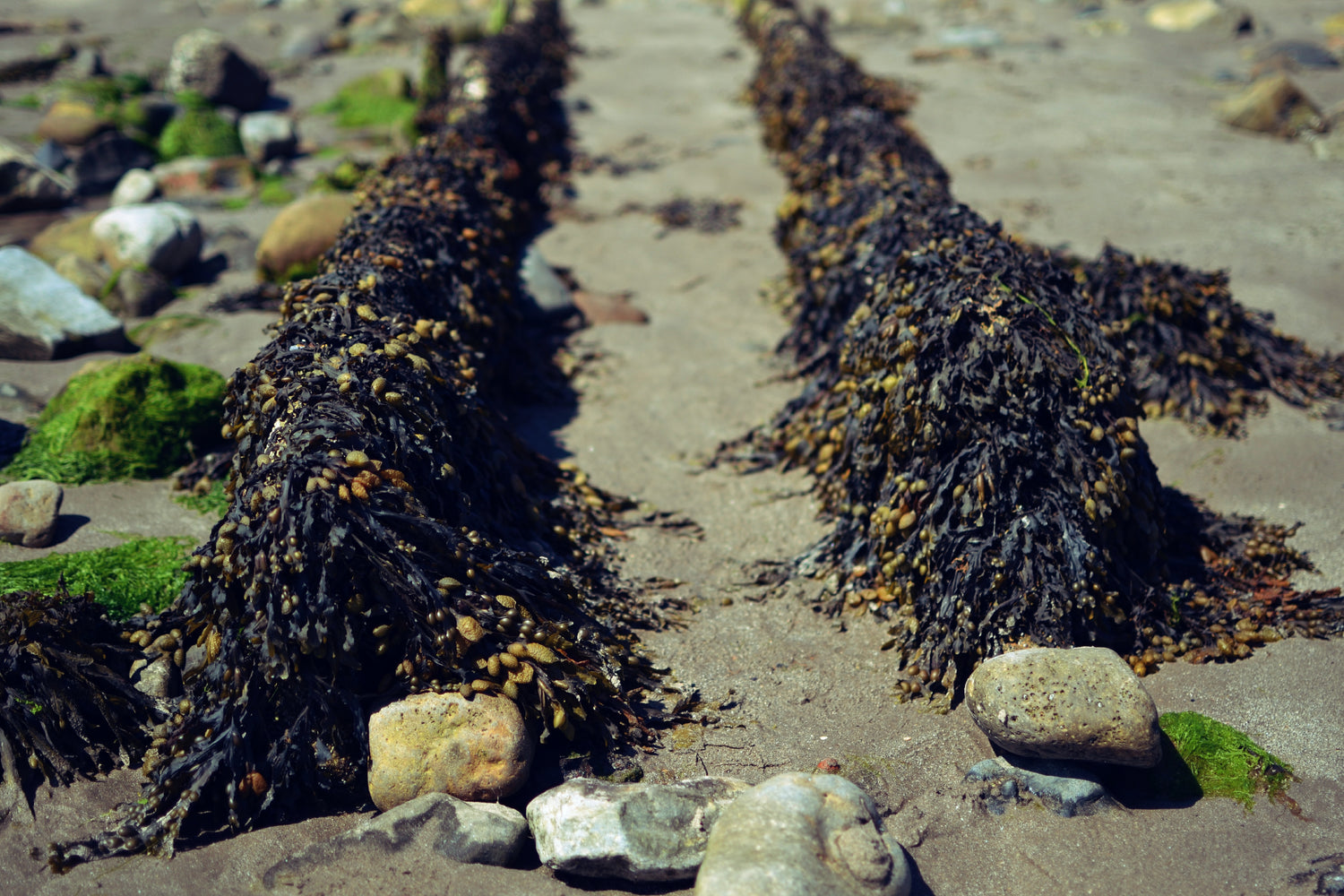
Seaweeds, some of the fastest-growing plants on Earth, owe their rapid expansion to the presence of growth hormones called auxins and cytokinins. By utilising concentrated seaweed fertiliser, you can tap into these active elements and stimulate growth in a wide range of plants, from delicate flowers to robust trees. Say goodbye to stunted growth and hello to flourishing vegetation.

Nutrient Abundance
Seaweed is a treasure trove of macro and micro nutrients that plants crave for optimal development. Drawing from its marine environment, seaweed accumulates an impressive variety of essential elements such as nitrogen, phosphorus, potassium, magnesium, calcium, iron, and many more. When applied as a fertiliser, seaweed supplies plants with a rich and diverse array of nutrients, ensuring their overall health and vitality.

Root Zone Enhancement
The benefits of seaweed extend beyond nutrient supply. Studies have shown that seaweed fertiliser positively influences the health and composition of root zones. It improves soil structure, promotes root development, and enhances nutrient uptake, creating a robust foundation for plants to thrive. With fortified roots, plants can better withstand environmental stressors and achieve their full potential.
Chlorophyll Boost
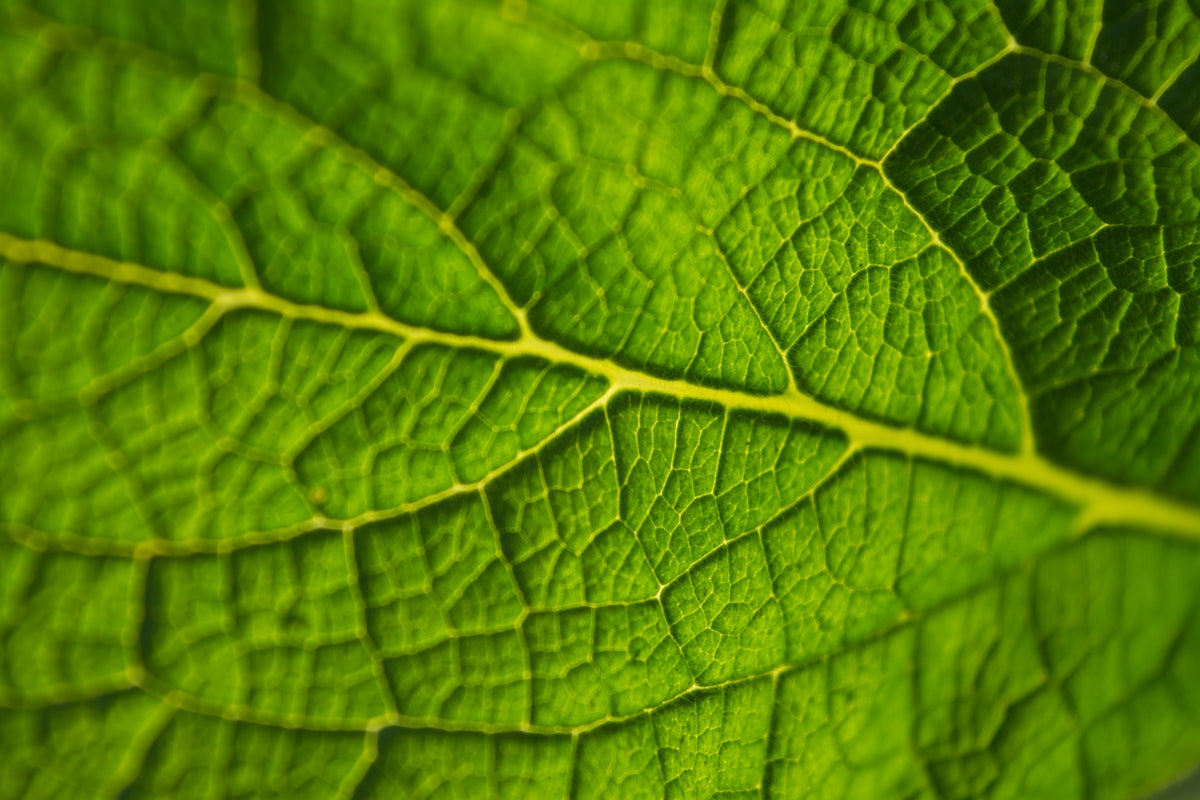
Chlorophyll, the pigment responsible for photosynthesis, plays a crucial role in plant vitality. Seaweed has been found to increase chlorophyll levels in plants, resulting in lush, green foliage and enhanced photosynthetic activity. This boost in chlorophyll production translates into improved energy production, stronger plant growth, and better overall plant performance.

Environmental Sustainability
Embracing seaweed as a fertiliser aligns with sustainable and eco-friendly practices. Seaweeds are a renewable resource, growing abundantly in oceans without the need for excessive water, land, or fertiliser inputs. By opting for seaweed fertilisers, you contribute to reducing the environmental impact of conventional synthetic fertilisers and support a more sustainable agricultural system.
Disease and Stress Resistance
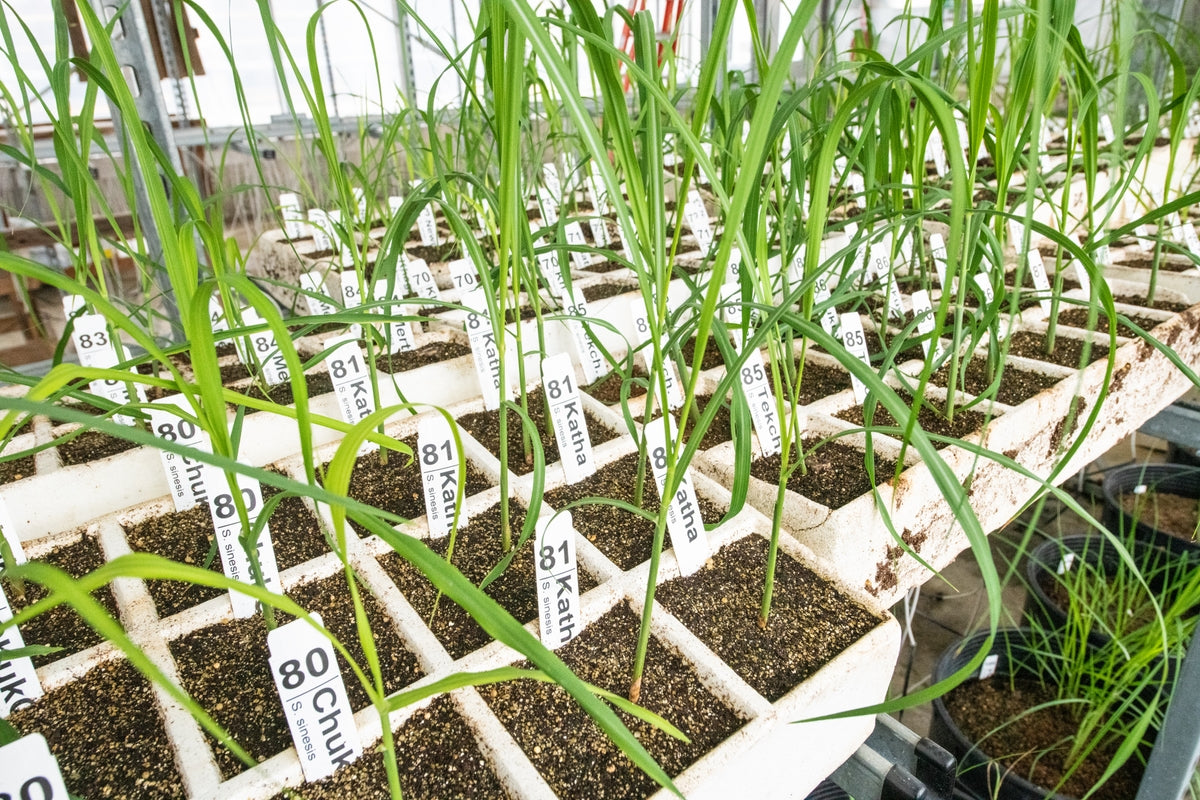
Seaweed fertilisers have been found to enhance plants' resistance to diseases, pests, and environmental stressors. The natural compounds present in seaweed help fortify plants' immune systems, making them more resilient and less susceptible to common ailments. This translates into reduced reliance on chemical treatments and a healthier, more robust plant population.
Buy Our Organic Seaweed Fertiliser Now!
Related Articles
-

Choosing Seaweed Fertiliser as a Sustainable Feed Option for Everyday Plant Care
Learn MoreSustainable gardening has become a meaningful part of modern living. More households are looking for ways to care for plants without harming the wider environment. Brands such as Oceanic Organic have contributed...
-

Feeding Plants Naturally with Seaweed Plant Food for Stronger Growth and Resilience
Learn MoreHealthy plants depend on balanced nutrition that works in harmony with nature. As gardeners seek more sustainable ways to support growth, natural plant feeds are becoming an essential part of...
-

Why Organic Seaweed Fertiliser Is a Natural Plant Booster for Healthier Gardens
Learn MoreCreating a healthy, vibrant garden requires more than regular watering and sunlight. Gardeners are increasingly turning to natural solutions that support long-term soil health while encouraging strong plant growth. One...


